



Jigar
The hardest type of application: examiners treat such signs as unprotectable. Registered as a word mark, automotive class included.
We register trademarks in Uzbekistan and abroad, including the names other firms tell you to give up on.
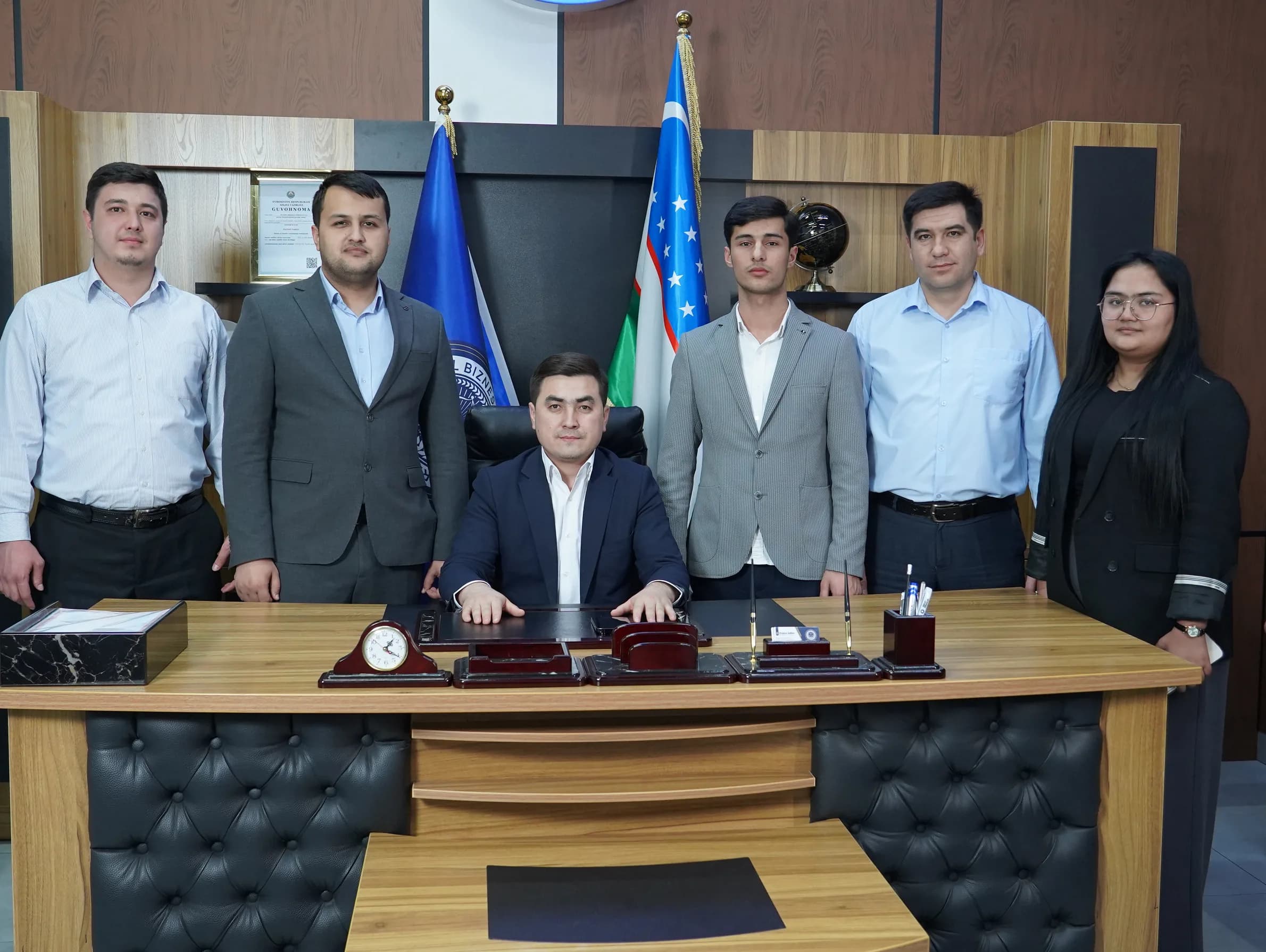
More than 50 companies across Uzbekistan: manufacturing, pharma, food service, automotive, apparel, furniture.




















































The right does not come from inventing the name first, nor from four years of spending on it. It comes from the entry in the register.
Registration follows the filing date. After that the rights holder may stop you trading under the very name you spent years building.
A platform blocks the product within a day of a rights holder complaint. Proving the brand is yours takes documents you do not have.
Changing the name means signage, packaging, the website, advertising and lost recognition. It costs several times more than registration and takes months.
Without a customs register entry you cannot stop imports of fakes. With one, only you may bring goods bearing your mark into the country.
Half of the applications we take come not from the fear of losing a name but from a business hitting a wall: without a mark you cannot sell a franchise, earn a marketplace badge or stop copies at the border.
A franchisee buys the right to a protected name, not a signboard. Without a certificate there is nothing to sell: the word, the logo and even your own face on the mark belong to no one.
Uzum and other platforms grant the brand badge against documents. The filing receipt carrying your priority date is ready in 3–5 days and platforms accept it — there is no need to wait for the certificate.
The mark plus the customs register closes the border to third-party shipments under your name. A parallel importer cannot clear without your permission.
With a certificate a complaint stops being correspondence: the copycat listing comes down, the account trading on your name and your videos is closed, and the infringement is counted in money.
A mark goes on the balance sheet, can be transferred, pledged and licensed. For an investor or a buyer it is the only proof that the brand is yours.
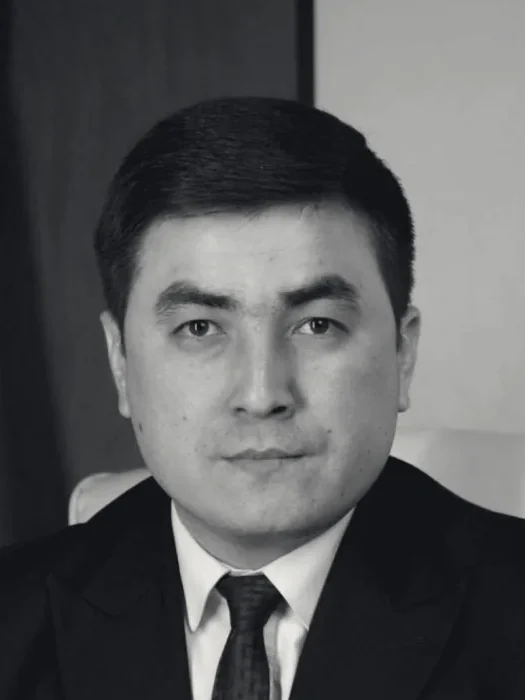
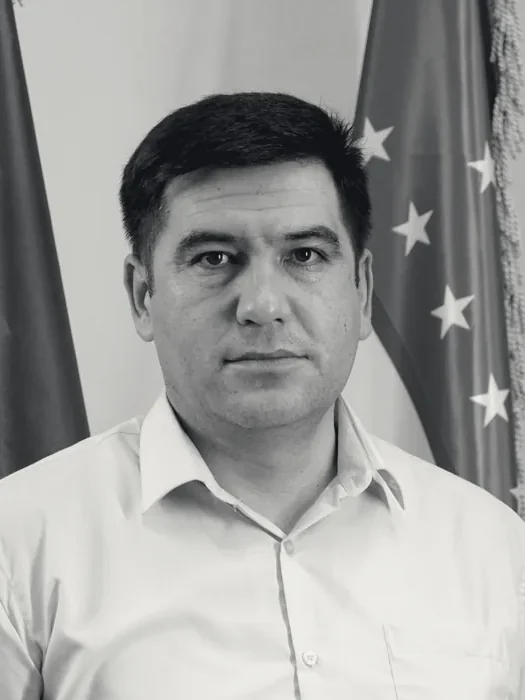
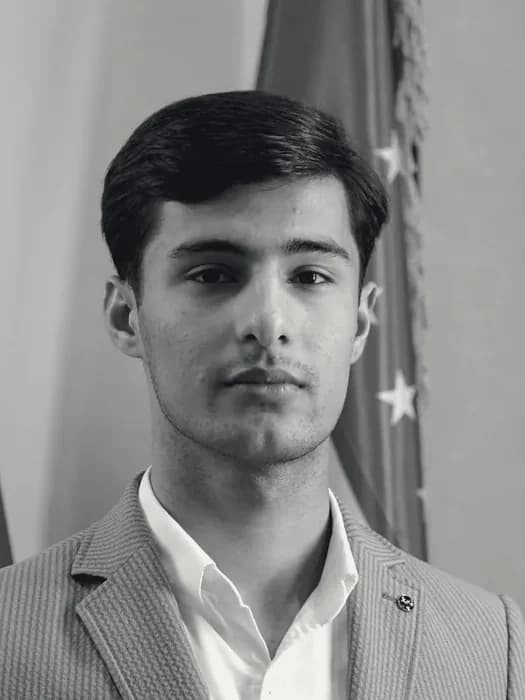
One person does not handle everything here. A trademark attorney runs filings, a customs specialist runs the register, a representative body runs international applications, and certification has its own expert.
All servicesTrademark, logo, name, industrial design, utility model, invention.
The wrong list of goods, the wrong classes, unexamined similarity, unprotectable elements inside the mark. All of it is visible before filing, and all of it is solved before filing.
Most firms run a simple process: take the documents, file, receive the refusal, suggest a new name. We carry the case through to registration.
A refusal and advice to invent a new name.
We work through every route: the list of goods, reworking the mark, challenging an unused registration and, where it fits, consent from the rights holder.
Risks surface after the office refuses.
We assess similarity and absolute grounds before filing: descriptiveness, geography, generic wording.
A single class for the main activity.
A set of classes matched to real business plans: a mark protected in one sector is free in the next.
One account manager for everything.
Filing, examination, renewal and customs each have their own specialist.
You are told to think up a new name and pay for the work again.
We file a different brand again without charging our fee a second time. The condition is written into the contract.
The final decision belongs to the Intellectual Property Agency. No firm can promise that decision in advance, and whoever does usually disappears along with the money.
«We will register it, guaranteed.» No trademark attorney in the country can offer that.
Every one of these marks would have been told elsewhere that registration was impossible.
The hardest type of application: examiners treat such signs as unprotectable. Registered as a word mark, automotive class included.
Beyond the brand itself we registered the phrases the author is known for. Opening a business, workshop or tuning studio under them is no longer possible.
The name already belonged to a working restaurant. Instead of a refusal we obtained a letter of consent from the rights holder and completed the registration.
A certificate number is an open record in the state register. Take any entry below and look it up in the Intellectual Property Agency's database: the same mark, the same classes, the same date.
One specialist prepares the filing, another runs the examination, a third handles renewals and customs. You always know who is holding your case.
We assess similarity with live marks and the risk of refusal.
We select Nice classes, choose the track and rework the mark where needed.
We prepare the documents and file with the Intellectual Property Agency.
We answer office actions, clear objections and carry the case to decision.
You receive the protection document. The brand becomes an asset on the balance sheet.
The right is fixed by the filing date, not by the certificate date. That is why the first document reaches you within days.
A filing receipt carrying your priority date. Not a certificate yet, but marketplaces accept it for the «original» badge, and a competitor who files later can no longer overtake you.
A certificate when protection is needed now: a tender, a dispute, a deal.
The regular review route. Suitable when the brand is trading and nothing is urgent.
You can. Refusals, though, rarely come down to the name: they come down to the list of goods, the classes, similarity nobody checked, and unprotectable elements inside the mark itself. We deliberately quote no refusal rate for unassisted filings — there is no open statistic for Uzbekistan, and we will not invent one.
At minimum the ones you trade in today. Adjacent classes are worth adding: a mark protected in one sector can be registered by someone else in the next. The fee per additional class is set out in the quote.
That is not an automatic refusal. The routes are reworking the mark, narrowing the list of goods, challenging a mark that is not in use, or a letter of consent from the rights holder. About the letter we are blunt: it works, but it rests on someone else's goodwill — the holder can change their mind or ask to be paid, so we never build the plan around it by default. We assess each case on its own.
Nobody can guarantee registration outright: the final decision belongs to the Intellectual Property Agency. If someone promises a 100% guarantee, treat it as a warning sign. We answer for something else. Before you pay we show what we found in the register and where the risk of refusal sits. We take the case when we see a workable route. We handle the correspondence with the examiners and clear their objections. And we carry the consequence: if a final refusal comes back on your brand, we file a different brand again without charging our fee a second time. The state duty and the number of classes for the refiling are set out in the contract.
Usually not. Marks are compared by overall impression — sound, meaning, appearance — not letter by letter. To an examiner «LOLO» and «LOLJ» are nearly the same. Other routes do work: reworking the mark, narrowing the list of goods, a letter of consent, challenging an unused mark. If none of them fits, we find a free name and register that instead.
Bring us that answer. Often «cannot be done» means the case is slow and troublesome because of the similarity, so nobody wants it. We look at what the conclusion rests on and give you ours. Sometimes there is a route — narrowing the list, reworking the mark, consent from the holder. Sometimes there really is not, and we say that plainly too.
Your own name is usually the safer choice. A mark held by an individual stays yours even if the company is closed, sold or split, and the director can simply license it to the business. A company holds the mark when the brand must belong to the company: a partnership with shares, a sale of the business, an investor's requirement.
No. Uzum and other platforms accept the filing receipt — a document carrying your priority date, issued 3–5 days after the application goes in. It earns the listings their original badge, and the certificate follows in its own time.
Only the ones you know about in advance. Our fee is fixed in the contract. The state duty is paid to the state against the office's invoice and never passes through us. Additional classes are priced separately and agreed before filing. No payment you did not know about before signing appears halfway through.
We are trademark attorneys, not litigators. We prepare the infringement opinion, the cease-and-desist letter, the papers for the court, the platforms and customs, and we run the case alongside you. In court itself you are represented by an advocate — we introduce a partner we trust. Promising that we litigate for you would not be true.
Only in the review period: 20–50 days instead of 7–8 months. The standard route usually runs 7–8 months, and up to a year in complex cases with office actions. The work and the outcome are the same.
No. Protection applies in the country of registration. Foreign markets require a separate procedure — that is our second practice area.
It gives you the exclusive right to import goods bearing your mark. Customs stops third-party shipments at the border without waiting for a complaint from you.
We check the mark for similarity and name the risks of refusal. A trademark attorney answers, not a bot and not a form.
 Asia Mall
 Oil City
 Grand Dior Hotel & Spa
 Central Palace
 Karavan House
 Toshkent Market
 Deniz Textile
 Prorab Pro
 Medco Pharm
 Sicher
 Giftmania
 Million Tools
 Zemin Group
 Elite Stroy
 The Bosson Group